Comprehensive Construction Services for Every Project
Comprehensive construction services are necessary for the proper handling of any construction initiative. They facilitate seamless integration across all steps, ensuring clear communication and teamwork among units. This strategy not only minimizes setbacks but also improves compliance with budgets and timelines. As stakeholders pursue superior results, understanding the different solutions available becomes increasingly important. What particular factors contribute to a project's success, and how can they be effectively implemented?
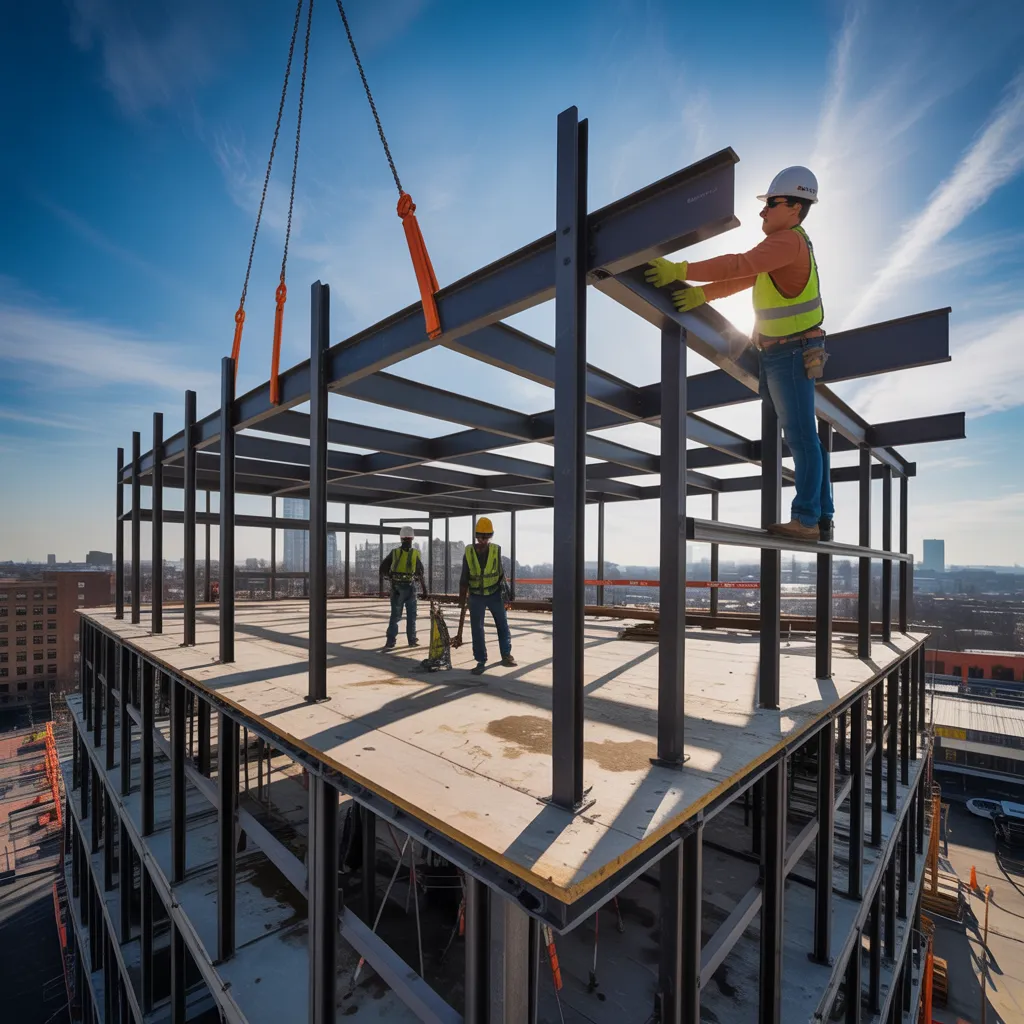
Why Thorough Construction Solutions Are Necessary
Comprehensive construction services are vital because they enhance the construction workflow, guaranteeing that all project phases are synchronized smoothly. These offerings cover a range of operations, involving planning, conceptualization, and delivery, which contribute to the project achievement of your project. By coordinating various teams and resources, comprehensive building solutions minimize the chance of errors and postponements.
Additionally, they reinforce adherence to timelines and budgets, preventing potential issues before they occur. This amount of organization nurtures a unified environment, enabling stakeholders to share information openly and efficiently.
Additionally, comprehensive solutions guarantee adherence with local regulations and safety standards, decreasing risks associated with construction activities. Overall, the integration of thorough construction services strengthens project quality, resulting in durable and sustainable outcomes. In an industry where precision matters, such services deliver the necessary framework for achieving client satisfaction and meeting project goals.
Critical Building Solutions for Home Owners
Homeowners looking to improve their living spaces can gain substantial advantages from crucial construction services tailored to their individual needs. These services cover a variety of offerings, comprising remodeling, renovations, and repairs, which allow homeowners to convert outdated areas into contemporary, practical spaces. Kitchen and bathroom remodels often generate considerable returns on investment, boosting both aesthetics and utility.
Additionally, exterior work including roofing and wall repairs confirm the residence remains protected and visually appealing. Landscaping and outdoor improvements create welcoming environments for socializing and unwinding.
Homeowners can make use of eco-friendly improvements, which cut utility costs while supporting sustainability. By partnering with skilled professionals, homeowners can handle the complexities of construction projects with ease, guaranteeing adherence to local regulations and timelines. Overall, these crucial solutions enable homeowners to attain their visions, ultimately enhancing property value and quality of life.
Essential Solutions for Commercial Construction
In the sector of commercial construction, effective project management expertise and quality material sourcing play critical functions. These offerings guarantee that projects are completed on time and within budget while maintaining high standards. Understanding their significance can lead to more successful construction outcomes.
Project Management Proficiency
When handling the complexities of commercial construction, effective project management expertise becomes crucial to guarantee timely completion and cost management. Proficient project managers hold a fundamental position in orchestrating various elements of a construction project, such as planning timelines, distributing resources, and stakeholder engagement among stakeholders. They employ advanced methodologies to mitigate risks and adapt to unforeseen challenges, maintaining that projects achieve their targets. Via harnessing modern technology and business intelligence, project managers can strengthen analytical processes, amplifying throughput and productivity. Furthermore, their capacity to nurture partnerships among contractors, architects, and clients proves vital for establishing shared understanding and fulfilling objectives. In summary, outstanding project management knowledge operates as the foundation of thriving commercial construction endeavors, moving projects from start to finish with attention to detail.
Excellent Material Sourcing
Quality material procurement constitutes a crucial aspect in the landscape of commercial construction, directly influencing project durability and overall success. Efficient procurement encompasses picking superior-grade materials that address specific project requirements while adhering to budget constraints. This endeavor often entails establishing strong relationships with trustworthy suppliers to assure prompt delivery and consistency in quality. Moreover, familiarity with local regulations and green practices proves essential in sourcing decisions. By stressing quality materials, construction organizations can bolster structural integrity and reduce long-term maintenance costs. All in all, emphasis on quality material sourcing not only achieves a project's immediate goals but also boosts its longevity and resilience in a competitive market.
Finding the Perfect Construction Services for Your Project?
When opting for building contractors, it is vital to define project specifications explicitly to guarantee alignment with goals. Examining the proficiency of potential service providers further strengthens the likelihood of a favorable outcome. Thorough review of these factors can result in a more efficient and effective building process.
Articulate Project Requirements Explicitly
Clearly establishing project requirements is crucial for selecting the most appropriate construction services. This involves determining specific project goals, schedules, financial allocations, and necessary materials. A well-articulated scope of work helps guarantee that all stakeholders have a shared comprehension of requirements. Additionally, detailing any compliance standards or location-based factors can avoid potential delays and misunderstandings during the construction process. By setting defined standards upfront, project managers can properly convey their requirements to prospective contractors, enabling more strategic choices. Ultimately, comprehensive records of scope specifications not only simplifies the selection process but also establishes the groundwork for effective project completion and minimizes the risk of costly revisions later on.
Evaluate Service Provider Expertise
How can project managers ensure they select the most competent construction service providers? Assessing the expertise of prospective service providers is essential. This procedure begins with examining each contractor's portfolio, which showcases past projects and relevant experience. Project managers should also confirm licenses, certifications, and insurance to validate compliance with industry standards. Collecting references and client testimonials can offer understanding into a provider's dependability and craftsmanship. Furthermore, conducting consultations allows project managers to assess interpersonal abilities and comprehension of assignment specifications. Analyzing bids not only on price but also on scale, schedules, and standards can further aid in decision-making. Ultimately, a thorough evaluation of service provider qualifications establishes the groundwork for effective project execution and fulfillment.
Improving Your Building Project Efficiently
Achieving efficiency in construction projects requires embracing a systematic approach that minimizes delays and enhances resource allocation. Effective communication among team members is essential, making certain that everyone remains aligned with project goals and timelines. Utilizing project management software can improve workflows, permitting for real-time updates and task tracking.
In addition, using a phased approach enables teams to direct attention toward specific project segments, decreasing the likelihood of competing efforts that can create confusion. Regular status evaluations and modifications based on performance data help identifying potential bottlenecks early.
Establishing explicit roles and responsibilities fosters accountability, driving teams to meet deadlines without sacrificing quality. Furthermore, implementing proactive risk management prepares teams for unforeseen challenges, enabling swift responses that keep projects on track. By blending these strategies, construction projects can achieve greater efficiency, reducing costs and elevating overall outcomes.
Building A Development Undertaking With Sustainable Practices and High-Quality Results
Leveraging environmental methods in construction not only boosts project quality but also lowers environmental impact. By applying eco-friendly materials and methods, construction firms can substantially reduce waste and energy consumption. This approach not only meets compliance obligations but also appeals to environmentally conscious patrons.
Using sustainable materials, such as bamboo or recycled metals, contributes to durability while reducing carbon footprints. Additionally, adopting power-saving solutions, like solar panels and advanced insulation, guarantees long-term operational savings and improved building performance.
Engaging sustainability-certified consultants notably raises project standards, ensuring conformity with sustainability benchmarks.
Additionally, developing a waste management plan during the construction timeline can streamline processes, curtailing costs and environmental degradation.
In the end, a pledge toward sustainable practices in construction generates high-quality projects that connect with both stakeholders and the community, building a legacy of accountable building practices. Such devotion not only strengthens the reputation of construction firms but also aids a healthier planet.
Popular Asked Questions
What Are the Typical Schedules for Construction Undertakings?
Standard timelines for building endeavors fluctuate considerably, generally ranging from a few months to several years. Factors influencing timeline consist of project size, difficulty, permitting processes, atmospheric conditions, and accessibility of resources, influencing overall project completion.
How Do I Manage Unexpected Construction Delays?
To deal with unforeseen building delays, one should evaluate the circumstances, communicate with stakeholders, modify schedules, and investigate alternatives. Flexibility and proactive planning can mitigate impacts and maintain project momentum despite setbacks.
Which Clearances Do You Need for Construction Projects?
Construction projects demand various permits, such begin now as structural, electrical, water, and land use permits. The precise specifications are based on local regulations, project scope, and area, making consultation with local authorities vital for compliance and guidance.
What Methods Are Used to Manage Project Budgeting Across Building Projects?
Project budgeting is supervised through regular assessment of expenses, adjusting forecasts based on true costs, and maintaining communication among stakeholders. This guarantees alignment with financial goals and timely identification of potential overruns or savings.
What Safety Procedures Are Enforced on Work Sites?
Construction sites adopt assorted safety measures, including regular safety training, use of safety equipment, distinct markings, site inspections, emergency protocols, and respect for regulations to minimize risks and maintain the well-being of workers.